The Temple of Greed
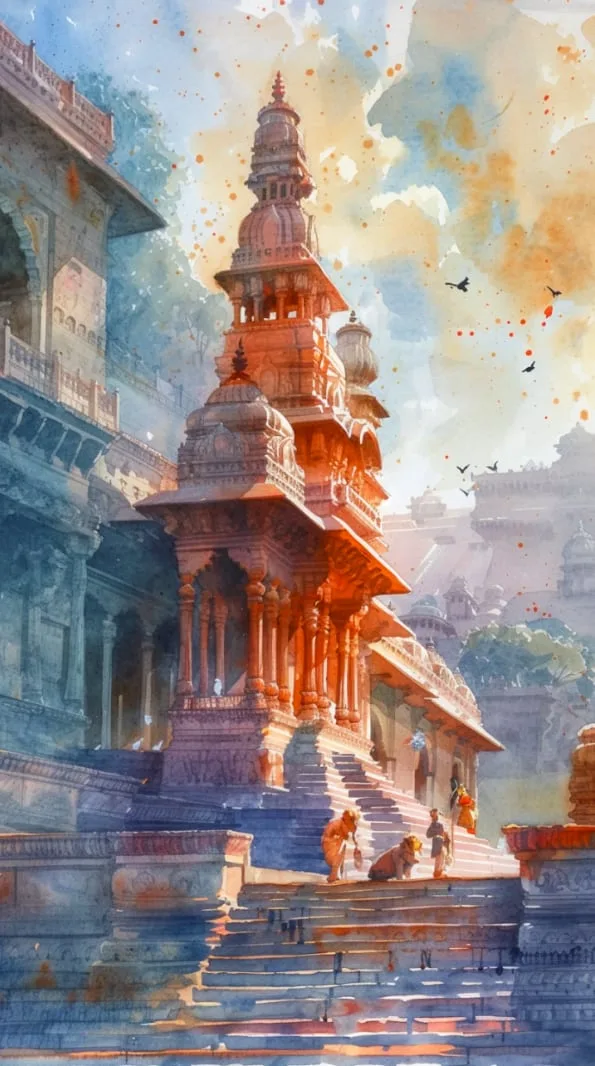
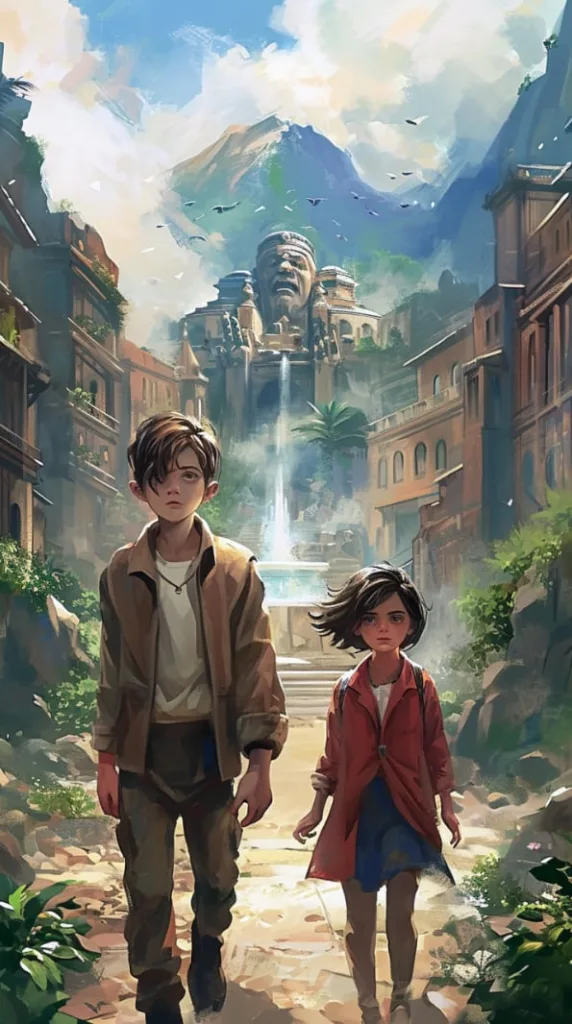
Walking through the verdant valley towards the Temple of Greed, Tarkik and Aindri contemplated the lessons they had learned so far. The temple, unlike its name, was a modest structure, nestled quietly in nature’s embrace.
Inside, they found life-size statues, each telling a story about greed. The first was a merchant, his figure surrounded by mounds of gold and jewels. Tarkik observed, “Look at his expression, Aindri. He’s wealthy, yet there’s no peace in his eyes.”
Aindri replied thoughtfully, “True, Tarkik. It seems the more he owns, the more he fears losing it. Happiness isn’t in accumulating wealth, but in finding peace with what we have.”
Moving to the next statue, a powerful ruler sat alone on a grand throne. “He looks so powerful and yet so isolated,” Aindri noted.
Tarkik nodded, “Power, when driven by greed, leads to solitude. Leadership is about winning hearts, not instilling fear.”
The next statue portrayed a hoarder, his space cluttered with an array of possessions, a look of overwhelm on his face. “This one’s buried under his own belongings,” Tarkik remarked.
Aindri responded, “It’s a reminder that hoarding things can’t fill the void within us. Sometimes, having too much can be more of a curse than a blessing.”
As they ventured further, they came upon another statue depicting a man fixated on the latest gadgets and luxuries, his gaze empty despite the material abundance surrounding him. “This shows the trap of materialism,” Aindri pointed out. “Constantly chasing the newest thing, but never really finding satisfaction.”
Tarkik agreed, “It’s like a never-ending cycle. True fulfilment comes from appreciating what’s already in our lives.”
In the center of the temple lay a serene garden with a clear fountain, symbolising the purity and contentment found in simplicity. Here, they discovered a scroll with a verse that read: “In simplicity lies the greatest wealth; in gratitude, life’s richest treasure.”
Reflecting on the scroll, Aindri mused, “We often overlook the joy in simple things, chasing after what we don’t have.”
“Yes,” Tarkik said, “and sharing what we do have brings real happiness, not the endless pursuit of more.”
As they left the Temple of Greed, the lessons from the statues and the scroll deeply resonated with them. They discussed embracing gratitude and the beauty in simplicity, understanding that the root of contentment lies within, not in the materialistic chase.