“And how does Chhath Puja fit into this?” Tarkik inquired, eager to learn more.
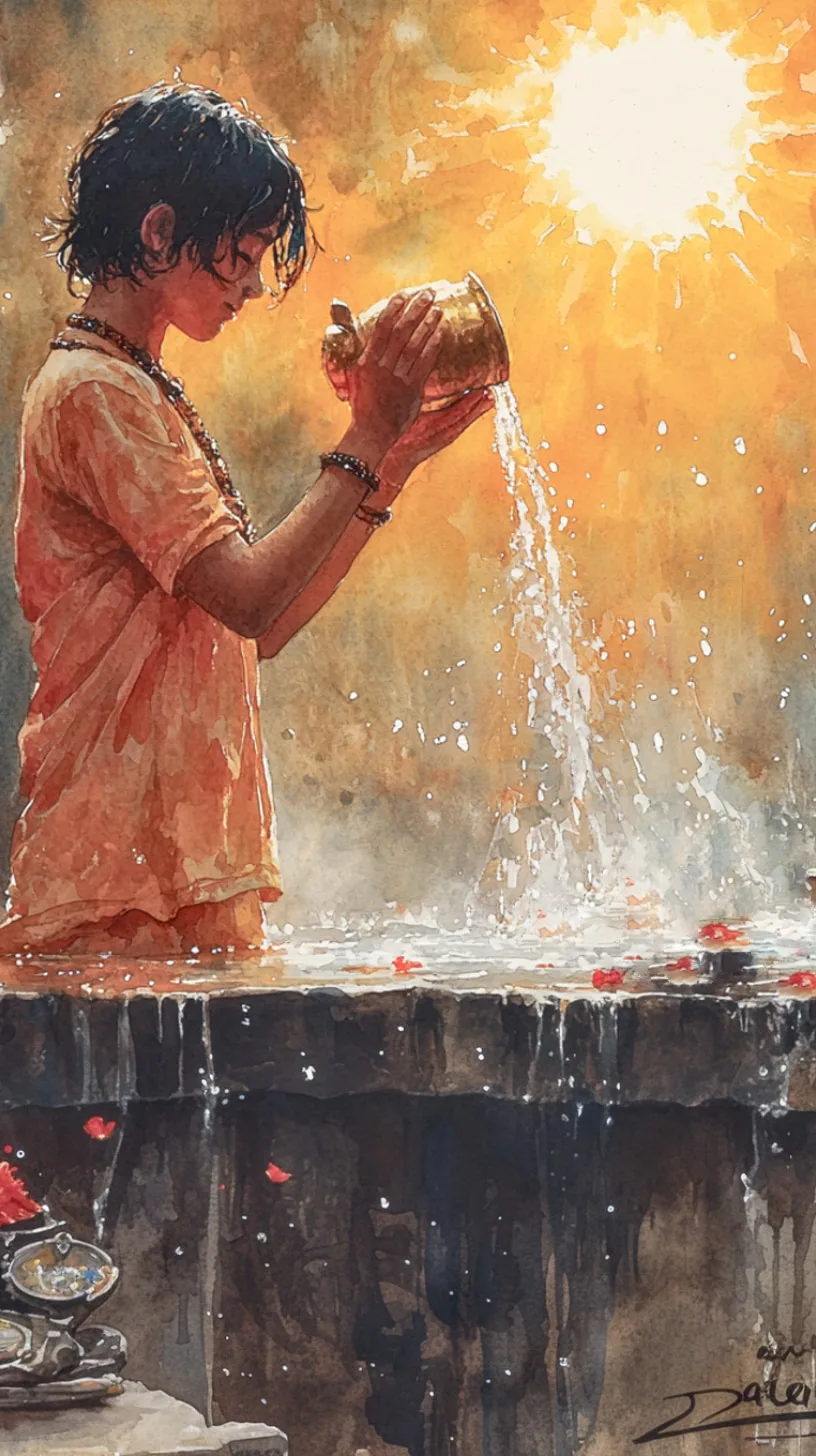
Dadi smiled at his enthusiasm. “During Chhath Puja, twelve sugarcane trees are set up, representing the twelve paksha: six Shukla and six Krishna paksha. A clay pot, filled with water, is placed underneath, and six lamps, symbolising the six months, are lit. This ritual is a prayer for uninterrupted and successful process of climatological precipitation over the next six months, enabling timely monsoon rains. Clay elephants are also made, symbolising the elephant trunk-shaped water columns essential for forming monsoons.”
Tarkik lay in bed later that night, his mind filled with images of sugarcane trees, clay pots, and lamps, all weaving a tapestry of rituals that connected his faith to the rhythms of nature.
“So these rituals are essentially a metaphor for the scientific process,” he thought.
He realised how these festivals were not just about devotion but also about understanding and respecting the natural world. The myths and legends of his culture were deeply rooted in the earth and sky, telling stories of divine beings and celestial events that shaped the world around him.
The Night of Revelation
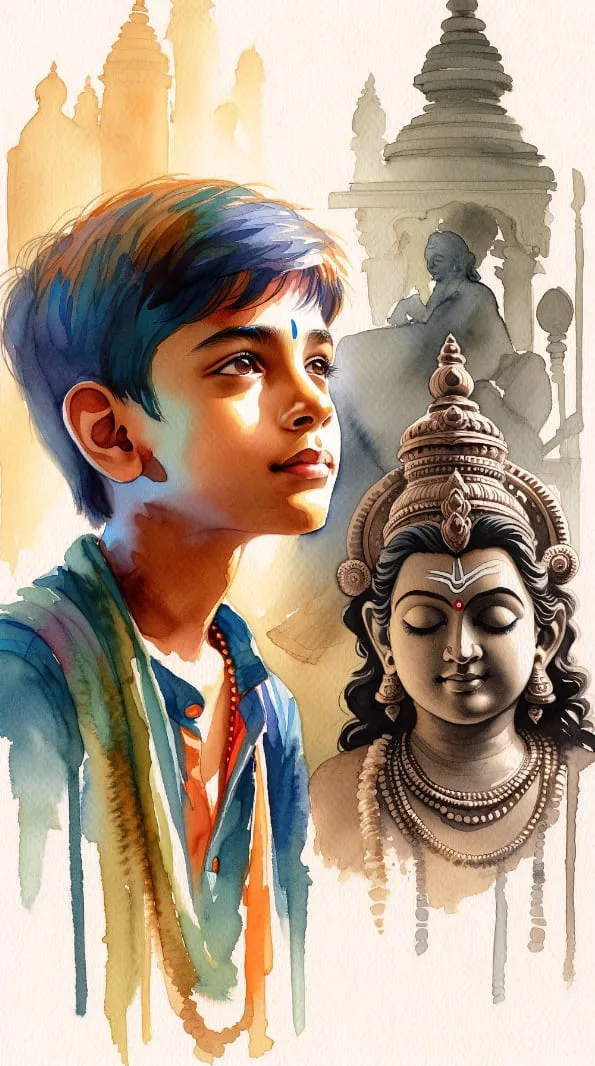
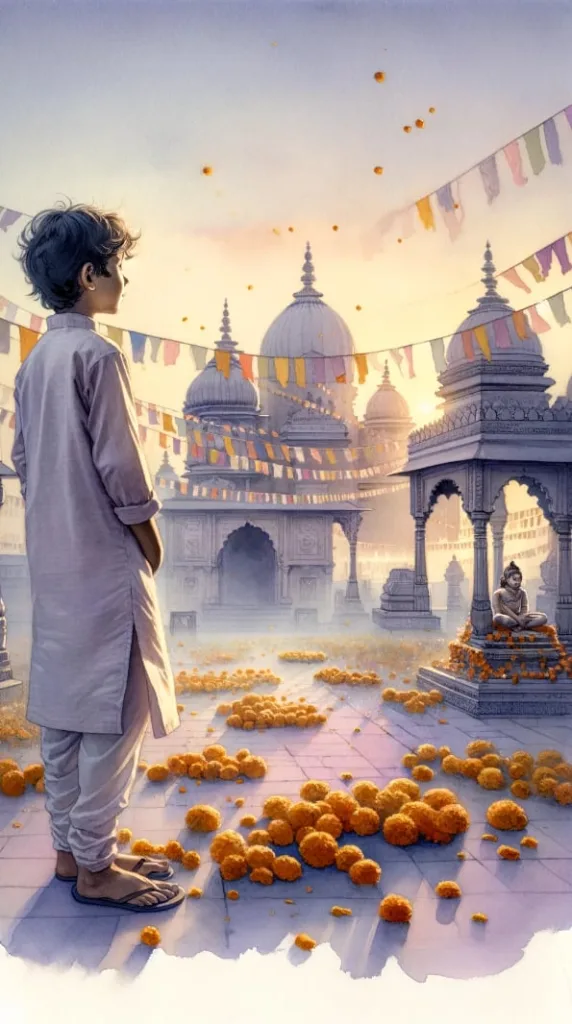
Dev Uthani Ekadashi arrived. Tarkik stood in the temple, gazing at Lord Vishnu’s statue adorned with tulsi leaves and vibrant flowers. The air was thick with devotion. Chants filled the space, calling for the Lord to awaken.
Tarkik closed his eyes, letting the energy of belief wash over him. He remembered the mantra from the Yajurveda, a prayer for prosperity and timely rains.
आ ब्रह्मन् ब्राह्मणो
As the clock struck midnight, a hushed silence fell over the crowd. Tarkik watched, his heart pounding. And then, something miraculous happened. A gentle breeze passed through the temple, causing the tulsi leaves to rustle. The statue seemed to inhale, a subtle movement of flowers, lights and buntings around, but enough to make Tarkik’s eyes widen in awe.
“Did the statue just breathe?” he whispered, his scepticism giving way to wonder.